What is a double glazed glass?
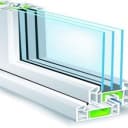
Double-glazed glass is a common term that actually refers to double-glazed windows. These windows consist of two layers of glass that are placed at a small distance from each other. The type of glass used can be flute, reflex, toughened, laminated or any other type of glass. However, the important point in the production of double-glazed glass is not the material of the glass, but the distance between the two layers and the gas that fills them. Because the efficiency and durability of the window depends on these two things.
The distance between the layers of double-glazed glass is created with the help of a device called a spacer or separator. This space either remains empty or is filled with a special gas called argon. The air pressure inside and outside the double-glazed windows must be the same so as not to damage the layers.
The features of the double -walled glass
The spacer of the double-glazed glass is aluminum, and its thickness determines the distance between the two layers of glass. Combining this with each other makes the advantages of double-glazed glass impossible to ignore. For example, the most important advantage of these glasses is that, as a very strong insulator, they can prevent the entry and exit of outside air into the environment. The combination of argon gas with tires and sealing parts also increases not only the resistance to temperature transfer; Rather, it will be an insulation against sound transmission.
Types of double glazed glass
There are different types of double-glazed windows and each of them has many advantages depending on their characteristics. In most cases, these windows are classified based on the type of glass; But sometimes they can be grouped based on the number of walls or thickness. However, the types of double-glazed glass are:
Flute glass: a simple glass that does not have any unique features except being double-glazed.
Tempered glass: This glass is highly resistant to impact and heat because it is first heated and then cooled immediately.
Laminated glass: In this type of glass, each pane is a double-layered glass filled with a layer of special gel in the middle so that when it breaks, it does not spread out and glass shards fall into the liquid gel.
Sandblast glass: Sandblast double-glazed glass is a type of glass whose surface is designed with the help of sand and water. One side of this glass is opaque and designs are engraved on it.
Reflex glass: Reflex glass is a type of double-glazed glass whose inner layer is plain and its outer layer is reflective. This type of glass is used to protect privacy and prevent the interior space from being seen.
Toughened glass: The last type of double-glazed glass is toughened glass, which have special designs on them like sandblasting. The use of these glasses is to decorate the environment and create beauty.
Double glass applications
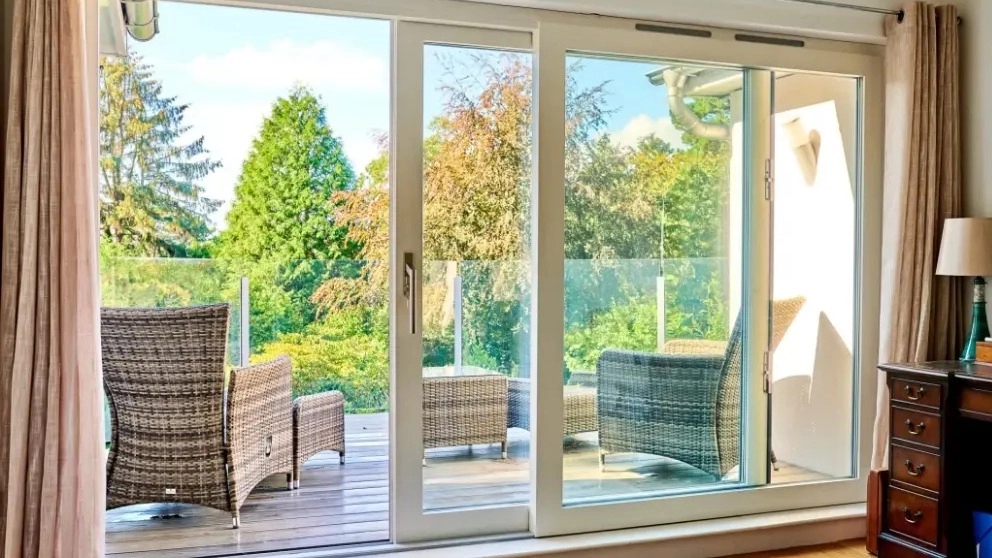
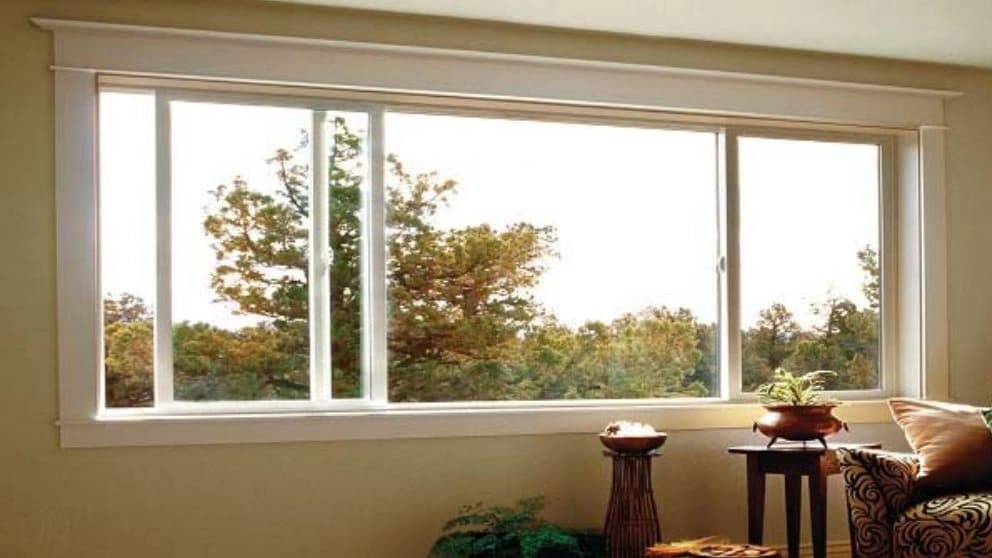
The many advantages of double-glazed glass have made it possible to use this product in different places. However, the best place to use it is the door and window of residential and commercial buildings. By doing this, energy consumption is saved to a great extent. Of course, it cannot be said that double-glazed doors or windows are the only use of double-glazed glass. Rather, this glass can be used in any place where partitions and walls are needed, and it is certain that factors such as sound will not pass through the two sides of the wall.
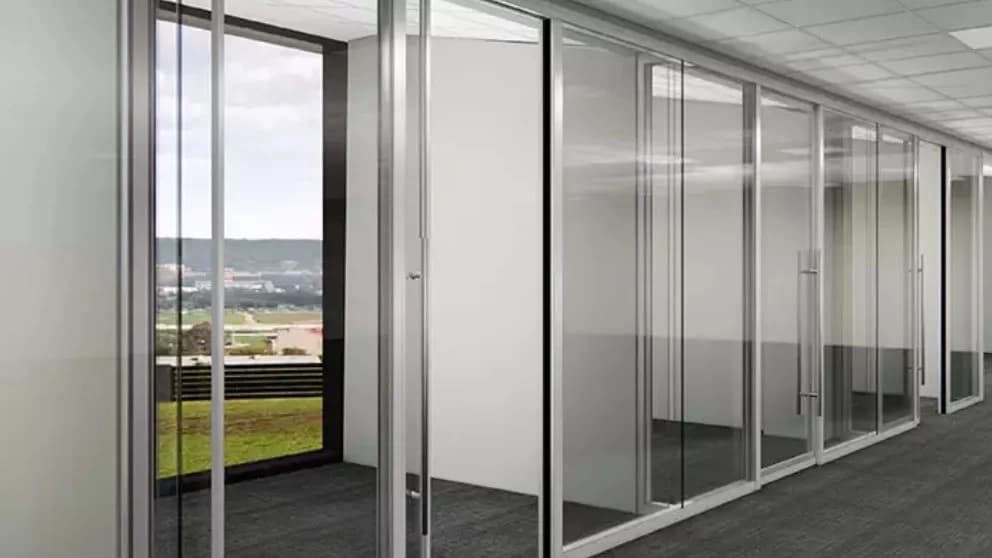
Among the applications of double-glazed glass, we can mention the protection and parapet of glass, the glass roof, the facade of the building, and in general, any place where we want to have a separator, but also to see the inside environment.
Factors affecting the price of double glazed glass
The cost of double-glazed glass cannot be stated accurately. The type of glass and its thickness, the spacer material and the number of layers of double-glazed glass are the most important factors affecting the price of double-glazed glass. Also, the daily price of fittings and the dimensions of the work can have a significant impact on the final price. Finally, you must also calculate the exchange rate fluctuations in the final figure.